Hoard is the detectorist's companion for the whole hunt. Research any field like a historian, with Roman roads, lost waterways, hillforts and hundreds of thousands of recorded finds, then let Hoard score the ground and plan your day. Out in the field it pins every find on GPS where it lay, private to you and no one else. Back home, kettle on, it helps you identify what you've found and what it's worth, keeps your record straight, and links you up with clubs, digs and detectorists nearby.
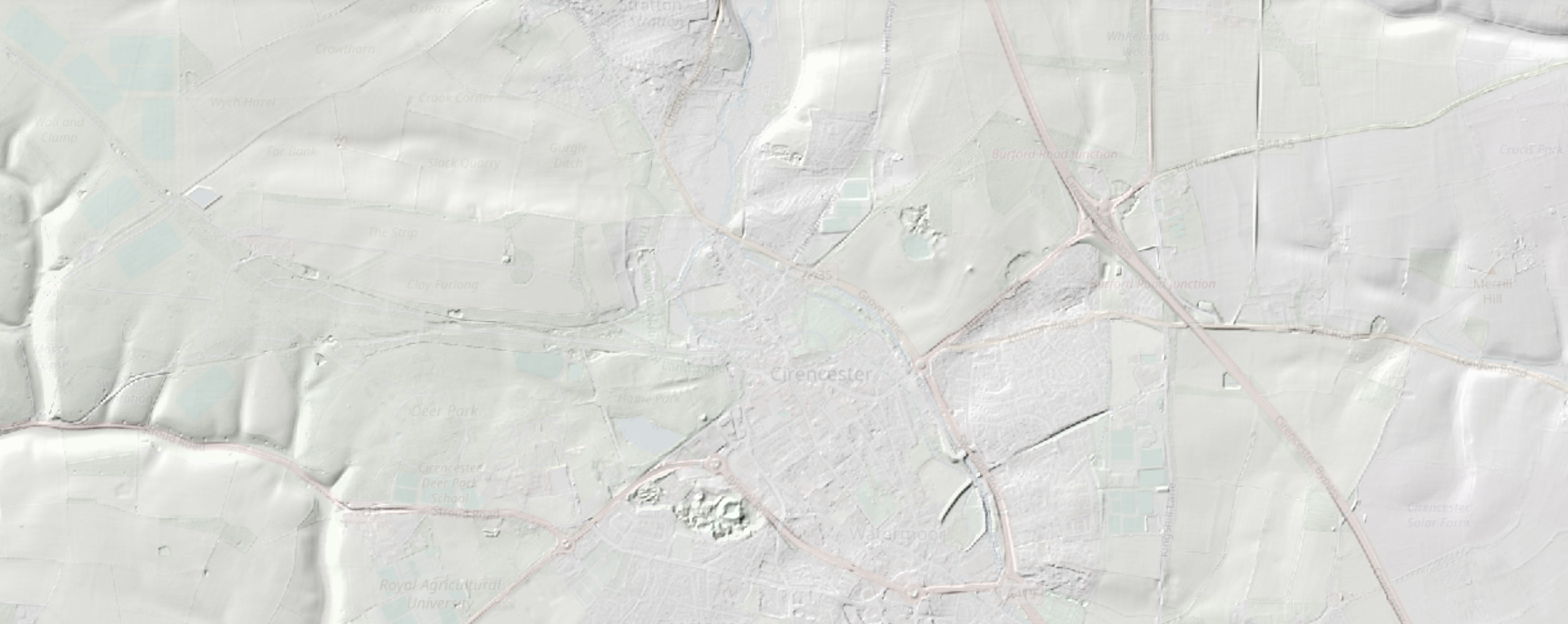
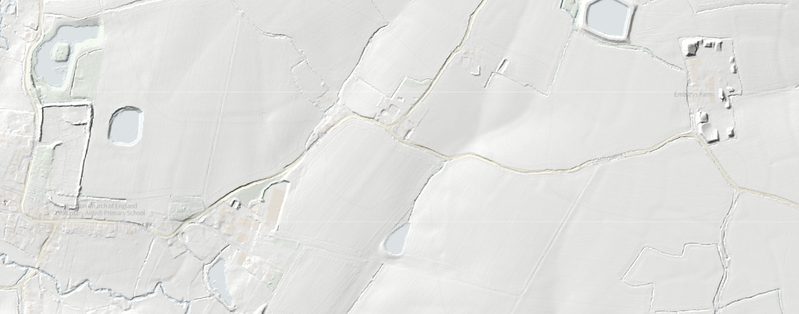
Good fields aren't always luck. Hoard stacks centuries of history onto one screen: Bronze Age barrows, Iron Age hillforts, Roman roads, lost waterways and crossing points, medieval trackways, Civil War skirmish lines, and hundreds of thousands of PAS finds by kilometre square. When three of those layers agree on the same corner of the same field, you'll feel it in your boots.
Research an Area● SCORINGDrop a pin anywhere and Hoard scores the ground in seconds. That gold number is where your Saturday starts.
Once the ground looks promising, tell Hoard how long you're heading out for and whether you want to loop back to where you started or roam free. It plots a sensible route across the field along the features that matter, so you're not just wandering, and lets you save it as a planned dig with the date, the permission and who's coming. Turn up knowing exactly where to start and which corner to hit while the light's good.

Two taps: how long you've got, and whether you loop back to where you parked. Hoard does the rest.
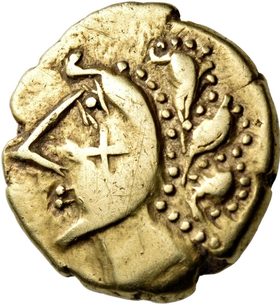
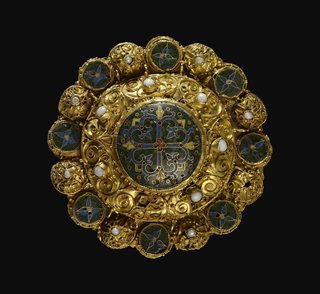
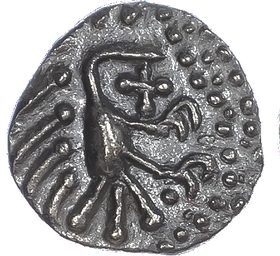
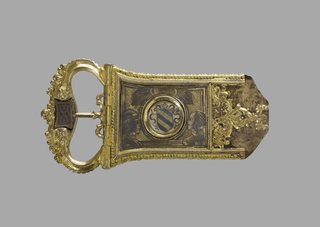
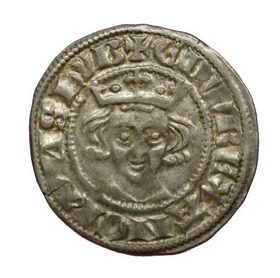
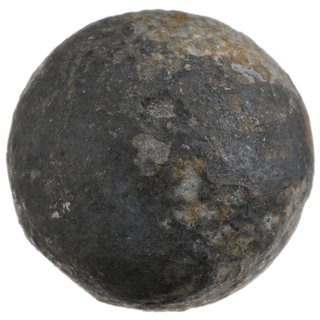
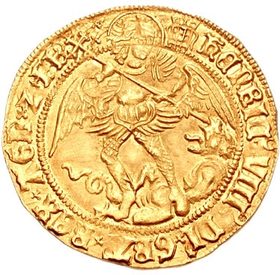
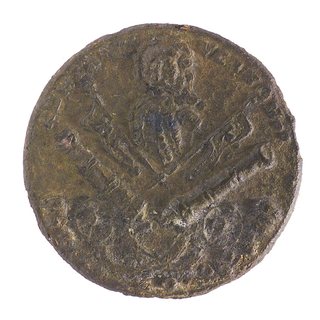
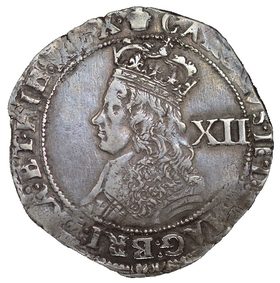
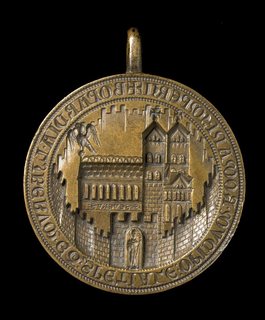
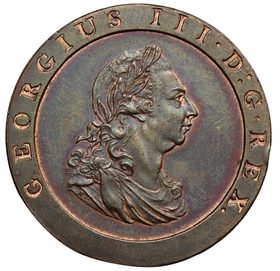
Bronze Age gold to Georgian buttons, plus buckles, brooches, tokens, seals and the odd mystery lump. Every one of them started life as a beep.
Hit record when you park up and Hoard tracks your walk, so you can see where you've swung and where you haven't. No more standing in a gateway wondering "have I done this bit?" It runs happily with no signal in the middle of a field and syncs the moment you're back in range.
Follow the walk, watch the pins drop. Three in a line isn't luck. It's a lost footpath, and next weekend's plan.
The moment you dig something, log it. A photo, the depth, a quick note, and Hoard drops a pin on the precise spot. Over the seasons your permission fills with gold pins, the clusters start giving up their secrets, and you build a record of your detecting life that's yours and nobody else's.


Your finds, pinned and private. Only your eyes ever see the map.
So we built Hoard so we couldn't hand them over even if we wanted to. Your findspots are sealed on your device with a key only you hold, a one-off recovery code you save when you sign up. That code is what brings your data back if you lose your phone, so keep it somewhere safe. If you're ever completely locked out we can help you recover access, but the findspots themselves stay encrypted and we never hold a copy we can read. That's the point.
Saved once at sign-up. Keep it somewhere safe, because it's your way back to your private dig data.
This works best as a team effort. Photograph the find front and back once it's home and cleaned, then tell Hoard what you can measure for yourself: its size, its weight, and any letters or markings you can make out. Hoard takes those details together with the photos and gives you its best read: what it is, roughly when it's from, why it turned up in your field, and an honest value range. Coins, buckles, brooches, tokens, buttons, the odd mystery lump of bronze. It has a go at all of it.
The more detail you give it, the sharper the answer, and it's always upfront about how sure it is. Every result carries a clear confidence rating and the similar finds already recorded on the PAS database, so you can see the reasoning behind it. A crisp coin can come back a confident match in seconds; a worn or corroded piece comes back as a shortlist of the most likely candidates to work from. Either way, you finish knowing far more than when you started.
✓ IDENTIFIED
Post the good days and the mystery objects to people who've dug the same fields. Get a second opinion on that crusty bronze, cheer on a mate's first hammered, and follow what's coming out of your county, all without giving away where any of it came from.

Most detecting clubs get run on WhatsApp threads, a battered spreadsheet and a shoebox of cash. Hoard Club replaces the lot. Organise digs, take payments, keep the paperwork straight and show the world what your club's been pulling out of the ground. It's free with the app: any Hoard account can start a club of up to 8 members at no cost, and the paid Club Pro upgrade lifts the limit and unlocks payments, subs and the admin tools.
Post a dig, set the field, cap the numbers and watch the RSVPs roll in. Everyone sees where, when and what's already sorted.
Charge for digs and annual subs straight through the app. Card payments land in the club's account, and cash or transfers are tracked alongside so the books actually balance.
See who's paid and who's due at a glance, with subs that renew and roll forward on their own. No more chasing envelopes at the AGM.
A club finds feed that lets newcomers see you're the real deal before they've swung a coil. The verified club badge comes with Club Pro.
Permissions and landowner details come out of the glovebox and into one place, with a ready-made permission letter for asking after new land.
Social functions, dig days and a public presence that pulls new members in. Less admin, more time in the field.
My uncle has been detecting for years, and his finds have always fascinated me. Not so much what they're worth, though that's a thrill too, but the stories behind them. A worn Roman coin and what it could have bought back in the day, or a military badge that might have been earned through an act of bravery. I went out detecting a couple of times with him and his friends, and a few times on my own, and loved every minute of it.
Then life got busy. Fishing, playing football and playing the drums took over my weekends, but I never stopped loving the history, the community, and the odd evening spent talking finds with my uncle. I'm also a huge fan of Detectorists on the telly, but I'm yet to do the gold dance.
One day I asked myself how I could make life a little easier for the detecting community, and Hoard is my answer. What you see here is my effort to give something back to the hobby. I'm always open to ideas for making it better, so download it, make the most of the free trial, and hopefully you'll love it as much as I do. If you have a suggestion, send it my way and I'll be happy to take a look.
Hoard is built for your phone, because that's what's in your pocket in the middle of a field. Camera identification, GPS pinning and offline maps for when the signal drops are all right there. Fancy a bigger screen for the research side? You can sign in on any computer and carry on where you left off, but you never need one. Same account, same finds, wherever you are.

No codes, no paying twice, nothing complicated. Your plan lives on your account, the way your music does.
Email or Google, under a minute. New accounts get 14 days of Pro to try, or just stay on Free.
Download from the App Store or Google Play when they land, or just use Hoard on the web right now.
Sign in on your phone, tablet or laptop. Your plan, finds and maps are already there.
That's it. Research at home, detect in the field, identify over a brew.
Whatever you dig with and however long you've done it, Hoard earns its place in the kit bag.
"I'd been out three times and had no idea what any of it was, or whether I was even allowed to keep it. I photographed a little coin, popped in the size and the couple of letters I could read, and Hoard walked me through what it was and exactly where I stood on the law. Took the fear out of the whole thing."
"I get out most Saturdays and I used to just wander. Now I plan the field on the sofa on Friday night, follow the old trackway on the map, and drop pins as I go. Found a cluster of buttons along a boundary I'd never have looked at. Knowing the spots stay private to me sealed it."
"I'll be honest, I expected to catch it out. Fed it a worn hammered with the weight and the bits of legend I could read, and it landed on the right issue with a sensible value and the PAS parallels to back it up. It tells you when it isn't sure, which is the bit I actually trust."
Two things live here: Hoard for detectorists, and Hoard Club for running a club. Cancel anytime, and your finds stay yours forever on any plan.
The 14-day trial is Pro only. Every new account gets Pro features free for 14 days, up to 10 identifications, with no card needed. The 10 is a trial cap: upgrade to full Pro and you get up to 75 identifications every month. If the trial ends and you haven't upgraded, you simply settle onto the Free plan.
A separate product for running a club, and it's free with the app. Any Hoard account can start a club of up to 8 members for nothing; Club Pro lifts the limit and adds the full toolkit.
Paid by the club, not the members.
Good, and getting better all the time. The real trick is that Hoard works with you rather than guessing from one photo. Get the find home, clean it up and photograph the front and back, then add the things you can measure yourself: the size, the weight, and any letters or legend you can make out. Those few details narrow a find down enormously and give Hoard the best possible chance of nailing it. To help you capture them, Hoard even points you to a few cheap bits on Amazon that make it easier, like a small set of calipers, a jeweller's loupe and a pocket scale. Every result comes with a confidence rating and the similar finds recorded on the PAS database, so you always see the reasoning, not just an answer.
No, and that's the whole point of how it's built. Your findspots are encrypted on your device with a key only you hold, so the location data never sits readable on our servers. We don't share it, and we never sell it. When you sign up you get a one-off recovery code (something like HRD-4K7Q-9F2M-XT31); keep it safe, because it's what brings your private data back if you lose your phone. If you ever get completely locked out, we can help you recover access in extreme circumstances, but even then the findspot data itself stays sealed. We can never actually read where you've been digging.
They're two separate things that happen to share one login. Hoard is your personal detecting app for researching fields, identifying finds and logging your digs. Hoard Club is a completely separate product for running a club: organising dig days, taking payments, managing members and keeping the paperwork straight. It isn't part of a normal Hoard plan, and you don't need it as an individual detectorist. If your club does run Hoard Club, a free Hoard account is all you need to join in and use the club features, because the club pays for it, not you.
Yes, and you don't need to be an official, registered club to do it. Anyone can start their own club in Hoard for free and use the free club tools to gather a few mates, post a dig and share finds together. When you want the full kit, taking card and cash payments, auto-renewing subs, the member and landowner admin and a verified club badge, you upgrade that club to Club Pro. Whether you're starting a Sunday kickabout group or running a 200-member society, you begin exactly the same way.
The trial is a Pro promotion, so every new account gets Pro features to play with for two weeks, no card required. You get up to 10 identifications across the trial to see what the full thing can do; on full Pro that becomes up to 75 every month. If you're already sold you can upgrade whenever you like, even on day one, and carry straight on with no interruption. If you don't upgrade, nothing is charged; you simply settle onto the Free plan with 3 identifications a month.
No. Hoard runs fully in your browser, so you can create an account and identify your first find today, on your phone or a computer. Dedicated App Store and Google Play apps are on the way and will work exactly the same as the web app, with the same account and the same finds, plus the field extras like camera capture, GPS pinning and offline maps.
Yes, and it keeps things simple rather than preachy. If something you've found could count as treasure, Hoard gives you a friendly heads-up in plain English and the steps you can take, so you're never caught out. Recording finds with the PAS is a lovely way to add to the shared history of the hobby, and Hoard makes it easy to do straight from a find if you'd like to. Scheduled monuments are marked on the map too, so it's obvious where's off-limits. It's there to help you enjoy the hobby, not to look over your shoulder.
Yes. On a paid plan you can cancel in a click from Settings, handled by Stripe. Your plan simply runs to the end of the period you've already paid for and then stops, and everything you've logged stays yours on the Free plan. On the 14-day Pro trial there's nothing to cancel at all, because there's no card and no automatic charge.
Every new account gets 14 days of Pro features free, no card needed. Or stay on Free with three identifications a month, no catch. Upgrade when Hoard's earned its place in your kit bag.
Get started free