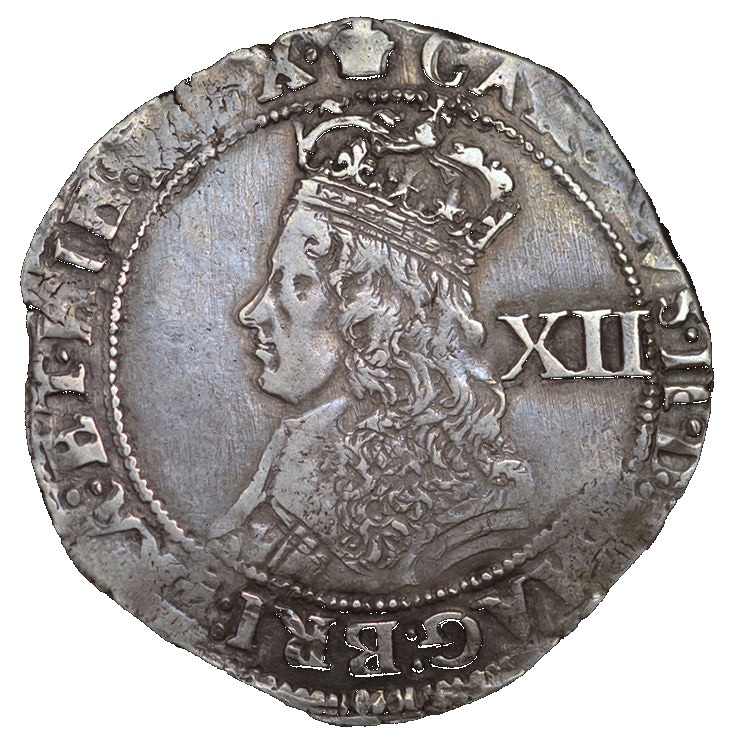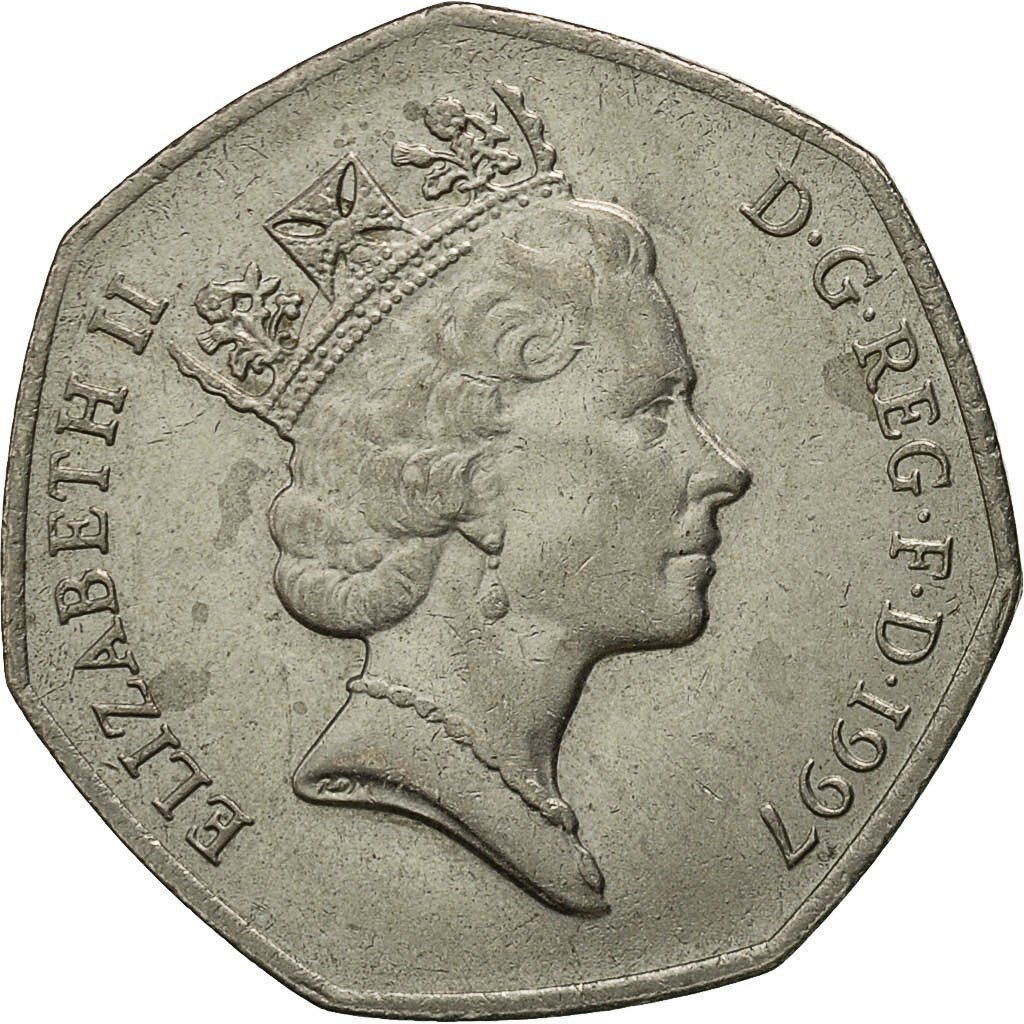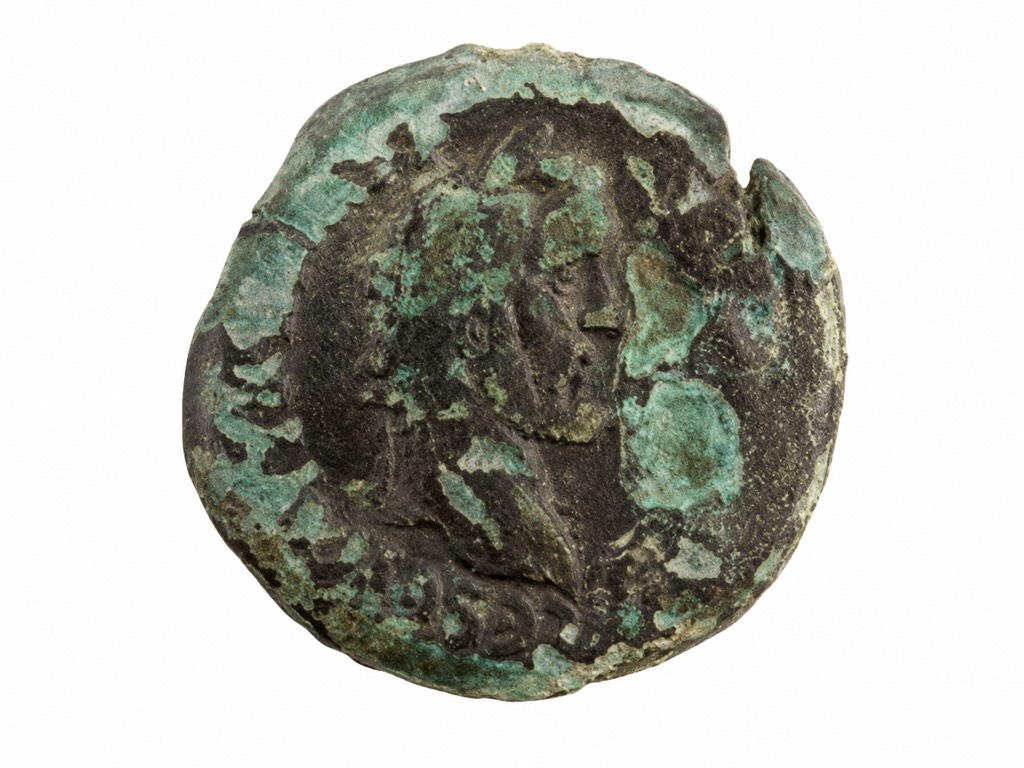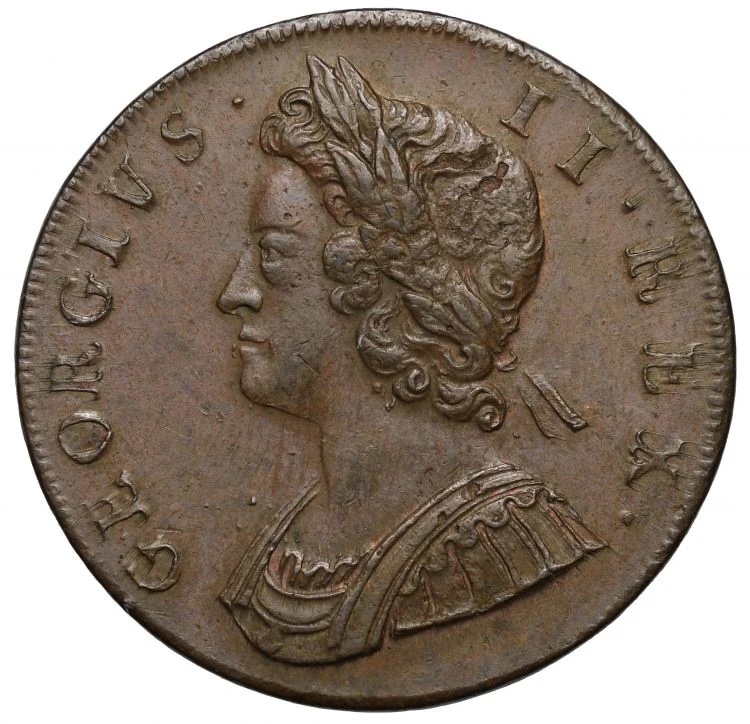
Hoard
Loading Hoard…

Hoard

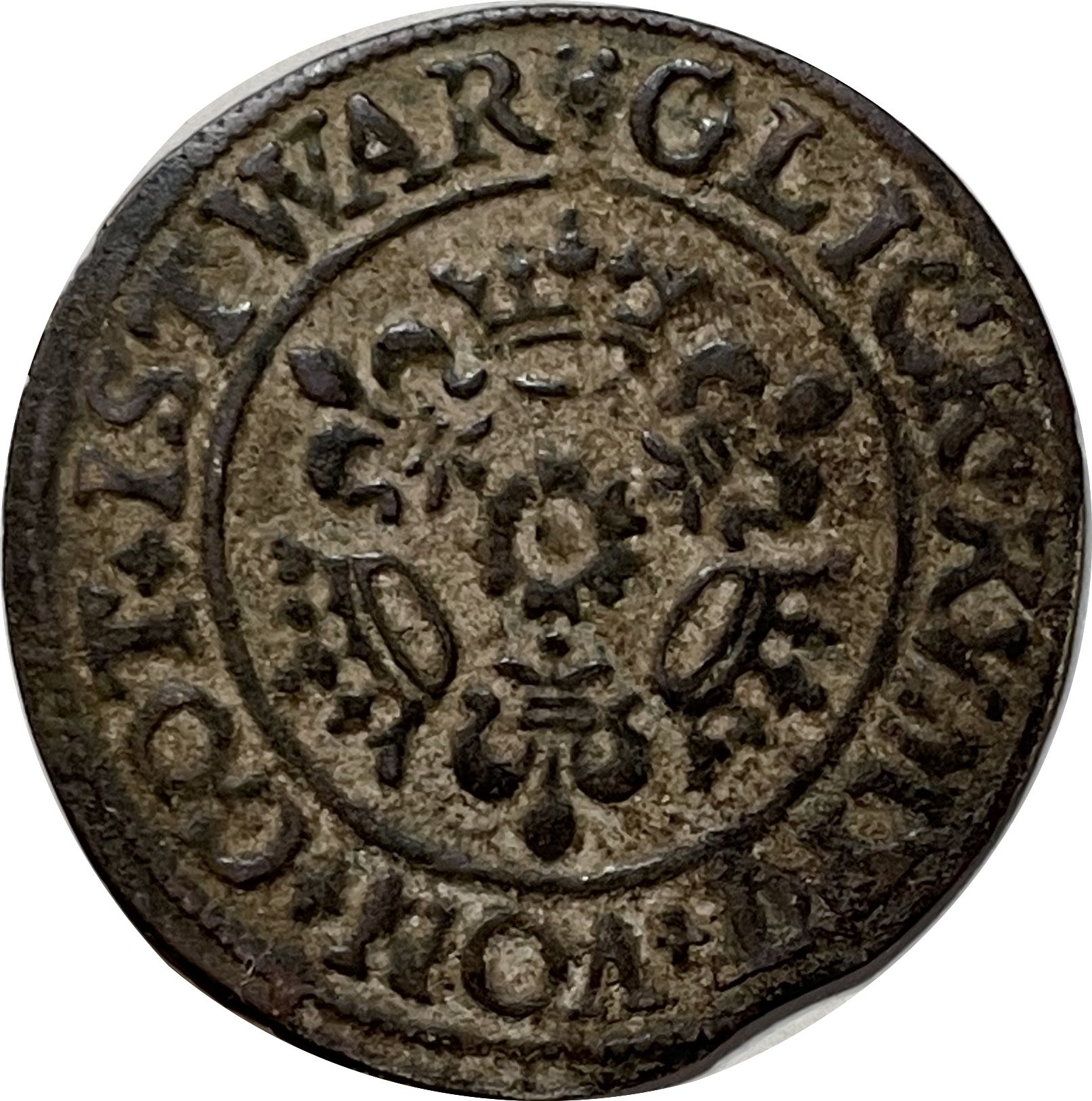
Front of find
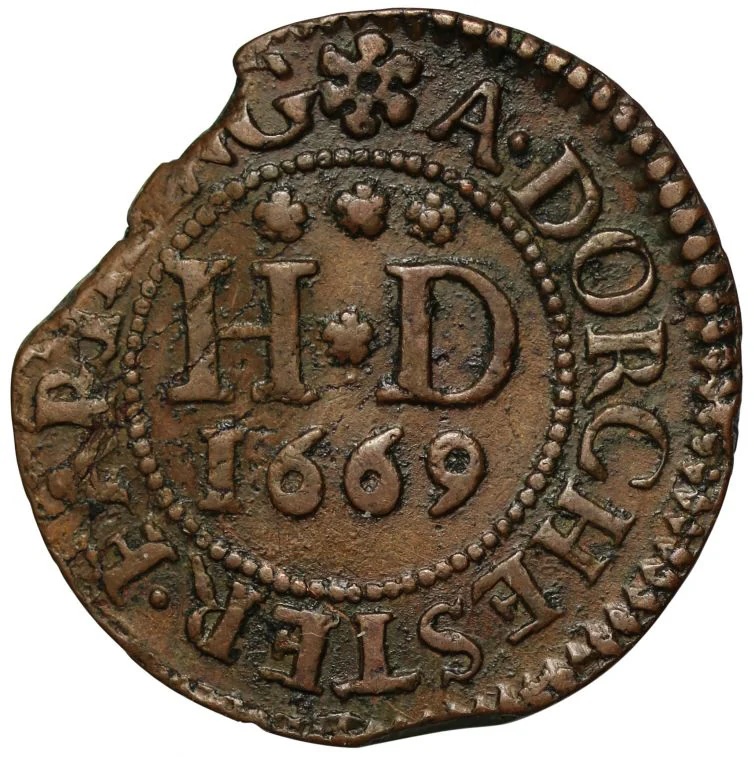
Back of find
Adds accuracy
Tips for best results
Natural light, no flash
Plain dark or light background
Front, back and edge shots
Close up on any markings
Place a modern coin or ruler next to it to show size
Clean off loose soil first
1
What is this?
Optional
Coin
Brooch
Buckle & Button
Ring & Jewellery
Military & Badge
Tool & Weapon
Lead Object
Not sure
2
Diameter in mm
Optional
Exact size eliminates guesswork —
3
Weight in grams
Optional
Exact weight improves accuracy by up to 40% on coins —
4
Any letters, words or marks?
Optional
Even a few letters, a maker's mark or a hallmark can pin down the maker, regiment or date
Add the reverse for coins — it names the mint & moneyer and is the key to accurate dating. You can still scan with one photo for a quick, lower-confidence ID.

Analysing your find...

Feel free to minimise the app or browse — your result will be waiting when you return.

Did you know?

Roman coins are the most commonly recorded find in the UK

Over 350,000 Roman coins have been recorded with the Portable Antiquities Scheme, more than any other category of find.

Your find
tap to zoom

Estimated Value

Condition

Historical Context

Value estimates and Treasure guidance are provided for information only, not as a professional valuation or legal advice.

NCMD Hoard is built by an NCMD member
My Statistics
Free Free
— of — scans used this month
— of — scans used today
Your plan (Free / Standard / Pro) and a Club subscription are separate. You can hold one of each at once, and changing one never touches the other. Switching within either one keeps a single subscription — you’re never double-billed.
Free Standard Pro
Price Free £5.99/mo £14.99/mo
Identifications 3/mo 30/mo 75/mo
Satellite + OS map
Historic maps
Scheduled Monuments
Historic Hoards
PAS Finds
Dig Log + Planned Digs
LiDAR + Soil
Roman Roads + Hillforts
Research Area score
Club subscription
A separate plan for detecting clubs — held independently of your own plan. £49/yr or £5.99/mo.
Experience Level
Hoard adjusts result detail to your level — plain English for beginners, technical terminology for experts.
Photography Tips
Raking light technique — improves worn coin accuracy dramatically

Hold a torch or phone light almost parallel to your coin — at about 10 degrees to the surface. This creates shadows in the letters that make worn legends suddenly readable. It works best in a dark room.

  1. Place your coin on a plain dark surface
  2. Turn off overhead lights
  3. Hold your torch at a very low angle — almost flat to the coin
  4. Slowly rotate the light around the coin until letters appear
  5. Photograph immediately and upload to Hoard
This single technique can turn an unreadable coin into an identifiable one. A £5 LED torch is all you need.
Tools & Guides
Tools, Guides & Planning
Research Area, Permission Letter, Know the Law, raking light guide, equipment
Recommended Tools
10x Jeweller's Loupe £8–15
Read partial legends on hammered coins. Even 3 letters changes everything.
Transforms hammered coin accuracy
Digital Vernier Caliper £10–15
Measure diameter to 0.1mm. Eliminates denomination confusion entirely.
Exact size improves accuracy significantly
Digital Pocket Scales 0.01g £8–12
Weigh to 0.01g. A penny weighs 1.3g. A groat weighs 4g.
Exact weight narrows coin type instantly
Soft Natural Hair Brush £2–5
Remove loose soil before photographing. Never use metal.
Reveals surface detail that changes identifications
Narrow LED Torch £5–10
For raking light technique. Any narrow beam torch works.
Makes worn legends readable
Hoard Measurement Card Coin size gauge
Place your coin on the card. Hoard reads the diameter automatically from your photo.
Eliminates manual measurement
View coin gauge cards on Amazon →
Location & Legal
Your country
Controls which legal rules appear after a scan
Privacy
Your dig locations are encrypted on your device before they're saved or backed up, so we can't read where you've been. A sealed backup copy of your encryption key is stored responsibly and stays untouched — we only ever use it if you ask us to help recover your locations.
Display
Currency
Used for estimated values
Depth units
For recording how deep a find was buried
Data
Help & Guide
NCMD
Proud NCMD Member
National Council for Metal Detecting
Hoard — Metal Detecting Find Identifier
Settings saved

Get a Second Opinion

Think the ID is wrong? Here are your options.

Let's look again with fresh eyes

Re-analyse your photos from scratch, ignoring the first ID — specifically hunting for what it might actually be.

I know what this is

Tell us the correct identification and we'll look it up and fill in the full details automatically.

Ask the detectorist community

Post your photos to these specialist forums where experienced detectorists and archaeologists can help identify your find:

UK Detector Net — Facebook ID group TreasureNet — Metal detecting experts Metal Detecting UK Forum — ID help r/metaldetecting on Reddit

Submit to official recording (UK)

The Portable Antiquities Scheme offers free expert identification by museum professionals, completely free and confidential:

Find your local Finds Liaison Officer Submit a find to the PAS database
Add to your Hoard
Add a note about this find
Where did you find this?
We'll pin it on your map. Leave blank to skip.
Your dig locations stay private — they're encrypted on your device and only ever visible to you.
Added to your Hoard

Clean the item first

Soil and corrosion hide detail needed to identify your find accurately.

Do: Gently brush off loose soil with a soft toothbrush. Rinse with plain water if needed.

Don't: Use chemicals, wire brushes, or anything abrasive: these can permanently damage the surface and reduce value.

Use good lighting

Lighting is the single biggest factor in photo quality for identification.

Best: Natural daylight near a window, soft and even with no harsh shadows.

Avoid: Camera flash (creates glare on metal), direct sunlight (harsh shadows), and dark rooms.

Use a plain background

A cluttered background reduces accuracy. Keep it simple.

Good choices: White paper, dark cloth, or plain soil.

Rule of thumb: If your item is dark (corroded iron, dark bronze), use a light background. If it's light (silver, pale alloy), use a dark background.

Fill the frame & angle well

Get close and make the item the whole photo.

Distance: The item should fill at least 70% of the frame.

Angle: Start with a straight top-down shot. Then try a slight tilt to show any raised lettering, inscriptions, or relief detail.

Tip: Take 2–3 photos from different angles and pick the sharpest one.

Ready to re-scan

Follow those steps and you should get a much more accurate identification. Tap below when you're ready.

Quick checklist:
☐  Item cleaned
☐  Natural light, no flash
☐  Plain background
☐  Item fills the frame
☐  Photo is in focus
Hoard Trusted Buyers

✓ Verified

All buyers are vetted and pay competitive prices.

TimeLine Auctions ✓ Hoard Verified

London-based specialist in ancient and medieval coins, jewellery, and artefacts. Free valuations, transparent commission. Trusted by detectorists for over 15 years.

Noonans (formerly Dix Noonan Webb) ✓ Hoard Verified

Premier numismatic auctioneers specialising in British coins, tokens, and militaria. Offers include post-sale guarantee and expert cataloguing.

Are you a dealer? Apply to be listed →

Hold a coin to your screen

Grab any coin from your pocket, pick it below, then drag the slider until the shape is exactly the same size. That's it — from now on every find shows at its true size. Nothing is photographed or uploaded; you're just lining your coin up against the glass.

Line up your coin's widest edge with the shape. A larger round coin (£2 or 10p) is easiest to get right.

Community
Recent finds
Be the first to post
Scan a find, save it, then share it to the community. Your county is shown — never your exact location.
Share with the community
Your county is shown — never your exact location.
Auto-share my milestones
Let Hoard post when you hit a milestone — your 100th find, joining a club. Off by default.
Session History
Loading…
Session
Scheduled Monument
Research an Area
Detecting potential score for any location
Tap the map to drop your pin, then set your search radius.
Search radius 500m
Plan My Route
Your best researched route — planned from the historic maps, known finds nearby, and the terrain around you
Choose how long you have to walk. This isn’t a random loop — Hoard researches your best route from the historic maps, known finds nearby, Roman roads, trackways, crop marks and the terrain around you, while keeping you clear of scheduled monuments.
How long do you have?
Finish where you start?
Planning your route…
Reading the ground around you
Your best researched route — planned from the historic maps, known finds nearby, and the terrain around you. Follow the directions below.
Request Permission to Detect
Generate a professional letter to send to a landowner
Landowner information is your responsibility to source. The Land Registry at gov.uk/search-property-information can help identify ownership (£3 per search).
Detecting & the Law
Scheduled Monuments
It is a criminal offence to use a metal detector on a Scheduled Monument without consent from Historic England. Penalties include an unlimited fine and up to 6 months imprisonment.
Scheduled Monuments are legally protected archaeological sites under the Ancient Monuments and Archaeological Areas Act 1979. The protection applies to the land surface and below ground.
If you discover you are on a Scheduled Monument, stop detecting immediately and leave the site without digging further.
Permission & the Countryside Code
You must always have the landowner's written permission before detecting. Detecting on land without permission is trespass and may be a criminal offence under the Theft Act 1968.
Always follow the Countryside Code ↗: respect the land, fill your holes, leave gates as you find them.
Reporting Finds
All finds of potential archaeological or historical interest should be reported to the Portable Antiquities Scheme (PAS) ↗ via your local Finds Liaison Officer.
Treasure (gold, silver, prehistoric base-metal hoards) must be reported to the local coroner within 14 days under the Treasure Act 1996. Failure to report is a criminal offence.
Good Practice
NCMDFollow the National Council for Metal Detecting Code of Conduct ↗. Record context (depth, soil type, location) for every find — this is what Hoard is for.
× Zoomed image
Plan a Dig
Dig name
Date
Location
Research score
Notes
Checklist
Manage account
Free plan
Free
Community activity
Club announcements
News & tips from Hoard
Saved on this device. These choices will apply to notifications as they roll out.
This permanently deletes your account, your saved finds and dig history, and cancels any subscription. It cannot be undone.